
Fire is a natural part of life in California. A lot of native plants and trees need it for healthy growth. Before European and American settlers came to California, Indigenous peoples used it to sustain balance in the native landscapes. Nicholas Hummingbird (@california_native_plants) teaches that after a fire, Giant Sequoias would grow thicker trunks and bark, which then protected them even more during the next fire. In fact, the cones of Giant Sequoias won’t even open to disperse seeds unless they’ve been exposed to fire.
A big part of the destruction that White settlers caused here was viewing fire as something bad to be prevented at all costs, and banning Indigenous peoples from practicing cultural burning. That, combined with all the other destructive things White settlers did (e.g., bring in invasive species of plants and animals, clear the land for grazing animals and industrial agriculture, use up resources to extinction or near extinction), helped create the massive wildfires of today that are hotter and life-taking instead of life-giving. (For an example, see this New York Times article: How Invasive Plants Caused the Maui Fires to Rage; free login required.)
Nicholas Hummingbird says that the Giant Sequoias today are thinner than those of the past. Without regular, natural fire to teach them to thicken their bark, they are more vulnerable when huge wildfires rage through. Fueled by too much plant matter on the ground, those fires are so hot and strong they can now reach the tops of the Giant Sequoias, killing them.
Thankfully, the organizations and agencies that oversee public lands in California are starting to realize that the Indigenous peoples who have made their home here for 10,000+ years knew what they were doing and still do. They are beginning to learn from and work together with Indigenous communities to use fire in beneficial ways to invigorate native plant life and prevent the massive, unnatural wildfires.
How does this apply to the native plants I’m working to establish and nurture?
I’m learning that many of the natives I’ve planted–like the bunch grasses and the young elderberry and redbud trees–need fire for rejuvenation and strength. They expect it.
But I don’t have the knowledge of how to use fire (though I would like to learn). And, I’m certainly not going to get a blowtorch and wing it.
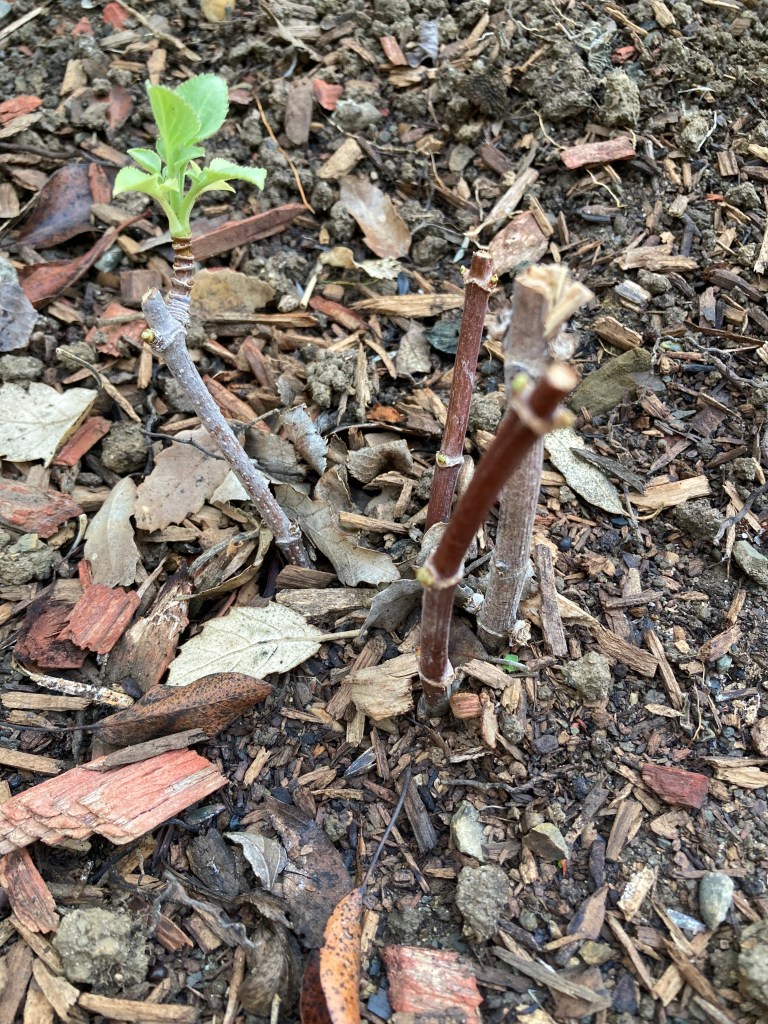
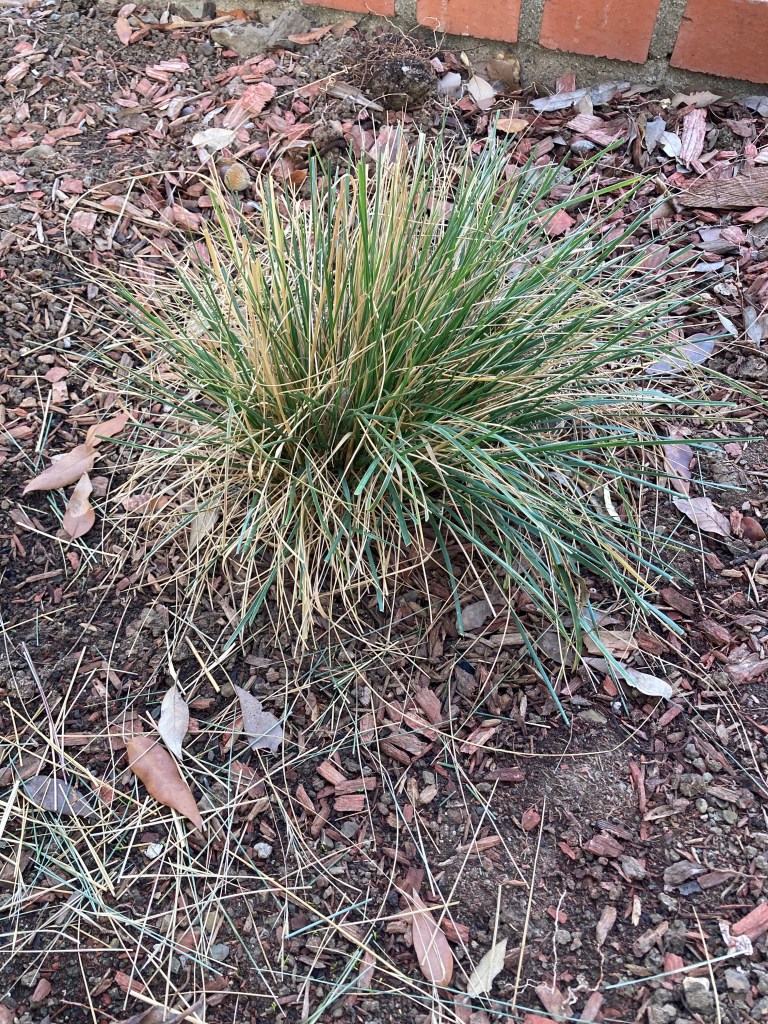
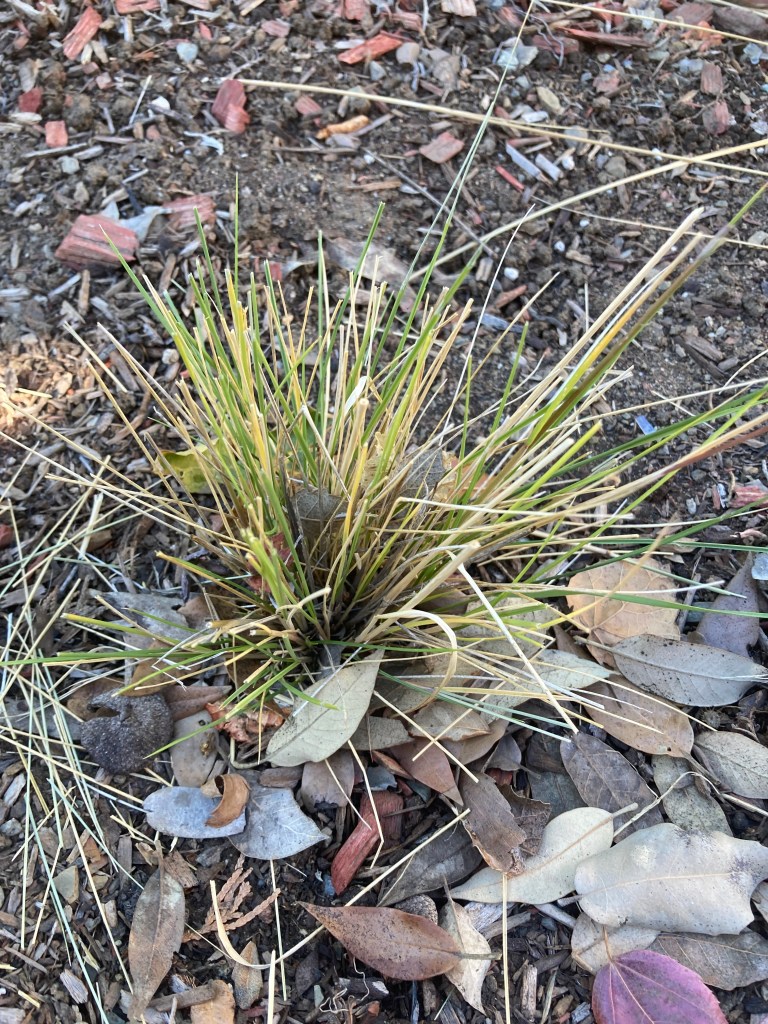
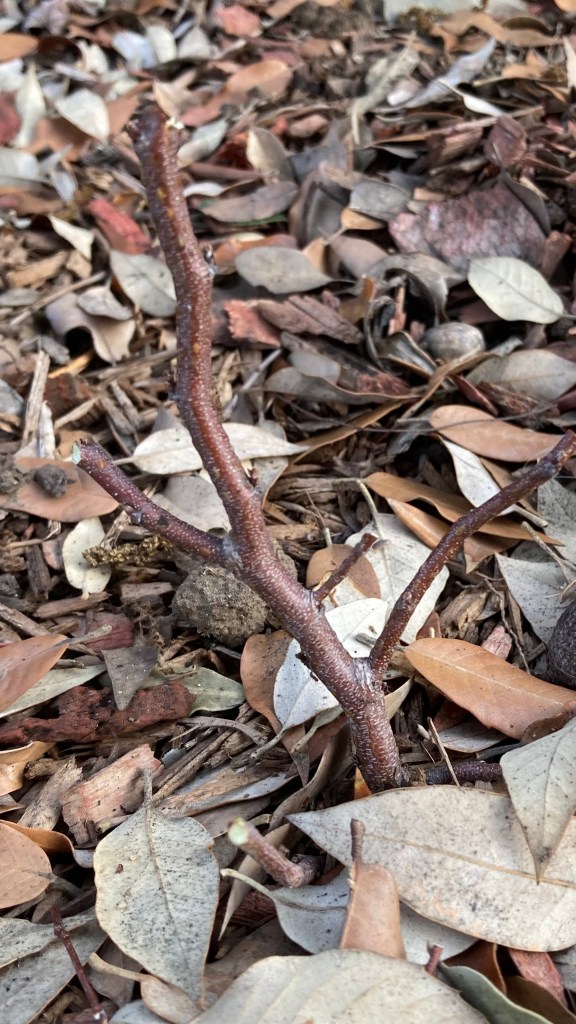
So, there are ways to simulate what happens during a fire. Like coppicing, which is basically cutting a plant’s leaves and stems way back.
I admit I was hesitant, even though I coppiced two Purple Needlegrass plants last year and witnessed how they came back stronger than the plants I hadn’t coppiced. Even though the concept makes sense in my brain, the thought of standing there in front of these plants I watched over all year and whipping out my garden shears to cut them down was hard to face.
But I have to trust native plants. And the people who are guiding me. And the wisdom of the Indigenous peoples whose land I stand upon. Christopher from Soft Earth Landscapes told me that now is the time. He also suggested taking the clippings, burning them, and then spreading the ashes to help simulate the effects of natural fire and put the nutrients back into the soil. That’ll be my next project.
For now, I’ve done the coppicing. (Although maybe a bit too cautiously? See photos below.) I’m sending the roots of these plants all the positive, healing, strengthening thoughts I can. I may also have offered up some silent prayers to the Earth and crossed a few fingers, just in case.
Grow strong, beautiful friends. I’ll see you again soon.
Resources:
Tending the Wild: Cultural Burning (PBS – This video is SO good! Learn from Indigenous experts about fire and how it’s used to manage natural resources.)
Braiding Sweetgrass: Indigenous Wisdom, Scientific Knowledge and the Teachings of Plants by Robin Wall Kimmerer


 Putting Down Roots
Leave a reply to Anonymous Cancel reply